
Meet the Pioneers - Andre de Graaf
Date: 21.11.25
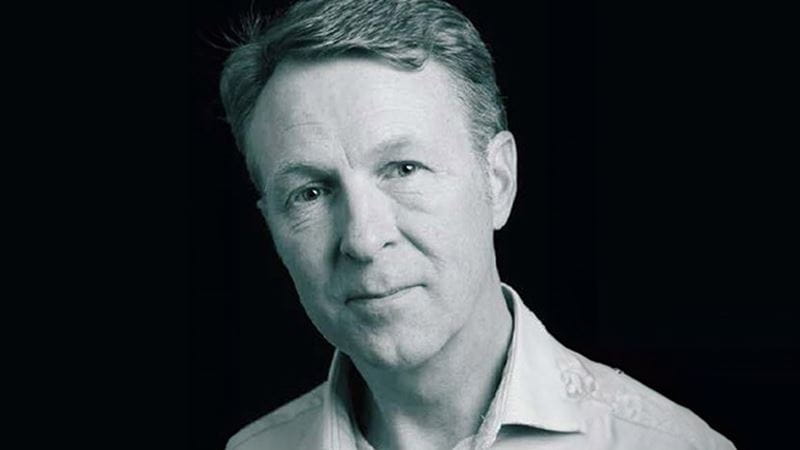
Explore the intricacies of immersed tunnelling and tunnel seal systems with insights from our Global Sales Manager for Immersed Tunnels, Andre de Graaf. From common misconceptions to sustainability trends, this discussion dives into the challenges, innovations, and future of tunnel sealing technology.
You spent over 10 years in the Middle East and transitioned from coatings to tunnel sealing when you joined Trelleborg. What was it about this technology that sparked your interest?
In the world of heavy construction, there are many structures that take shape right in front of our eyes; for example, a bridge, a freeway, or perhaps a building, which are easily seen as they are constructed.
However, there are structures that are far more stealthy and seemingly invisible. In the construction method of immersed tunnelling, my question always was, "how do they do that?" Tunnels and underground construction, for that matter, are a great example of mobility without obstruction.
What's the biggest misconception some of them have about immersed tunnel seals when they first contact you?
A major misconception is that immersed tunnel seals are off the shelf simple gaskets, when in reality, they are highly engineered, durable systems crucial for the tunnel's long-term success. Engineers often underestimate the complexity and precision required for both the seal system itself and the meticulous process of joining the prefabricated tunnel sections.
You've worked on iconic projects like the Hong Kong-Macau-Zhuhai Immersed Tunnel and Midtown tunnel in Virginia. What separates a good tunnel seal design from a great one?
A great tunnel seal design goes beyond basic functionality, incorporating long-term durability considerations and specific adaptations for the site's conditions, like temperature and seismic events. While a good design focuses on a single, effective seal, a great one incorporates bespoke systems and high-performance materials to guarantee effective watertightness, such as those produced by Trelleborg Marine & Infrastructure.
Having seen tunnel projects across continents, how do regional regulations and standards, as well as environmental factors, impact your seal recommendations?
International and regional regulations, standards, and environmental factors critically impact seal recommendations by mandating specific performance, material, and safety requirements based on the local context, such as temperature, UV and ozone exposure, chemical exposure, and air/water quality regulations. For example, a seal for a harsh industrial environment like the Middle East may need different material and design specifications compared to colder climates like Canada or Scandinavia.
When project managers ask about timelines, what's the most critical factor that can make or break a sealing project schedule?
The most critical factor for a sealing project's timeline is pre-planning and specification, which includes gathering complete information from the client and creating realistic, detailed advice to ensure that the right products and materials are adopted for the project. This ensures a prolonged life expectancy of the tunnel.
What's the one question every project owner should ask their sealing supplier that most don't think to ask?
The one question a project owner should ask a sealing supplier is, "How do you ensure consistent product quality?" This question prompts the supplier to detail their quality control processes, including certifications like EUDR or Environmental Product Declarations (EPD); a standardized ISO Type III, third-party verified document based on ISO 14025 and ISO 14040/44 that outlines the environmental impact of the solution.
How has the growing push for more sustainable infrastructure changed the conversation around tunnel sealing systems?
The conversation around tunnel sealing systems is slowly but surely extending beyond their core functional requirements. Today, there is a greater emphasis on reducing carbon footprint, integrating circular economy approaches where possible and enhancing durability to extend system lifespan. This shift encourages innovation and incorporating best practices right from production through installation to end-of-life management. We at Trelleborg have been committed to sustainability for years, and continue to look for ways to make our products safer and more sustainable, wherever we can.
After nearly 18 years with Trelleborg, what excites you most about where tunnel sealing is heading?
There is never a dull moment in immersed tunnelling. Different geological areas in the world call for different approaches. I am part of Working Group 11 of the International Tunnelling & Underground Space Association, which promotes technical knowledge in the field of tunnelling and underground space through the publication of guidelines, training, and creating platforms for exchanging information and ideas.
For over sixty years, Trelleborg has been at the forefront of sealing systems for both immersed tunnels, bored and cut-and-cover tunnels. The world needs more safer, deeper, longer, wider tunnels and also in more seismic areas, so we need to think outside the box to accommodate all these challenges.
In the world of heavy construction, there are many structures that take shape right in front of our eyes; for example, a bridge, a freeway, or perhaps a building, which are easily seen as they are constructed.
However, there are structures that are far more stealthy and seemingly invisible. In the construction method of immersed tunnelling, my question always was, "how do they do that?" Tunnels and underground construction, for that matter, are a great example of mobility without obstruction.
What's the biggest misconception some of them have about immersed tunnel seals when they first contact you?
A major misconception is that immersed tunnel seals are off the shelf simple gaskets, when in reality, they are highly engineered, durable systems crucial for the tunnel's long-term success. Engineers often underestimate the complexity and precision required for both the seal system itself and the meticulous process of joining the prefabricated tunnel sections.
You've worked on iconic projects like the Hong Kong-Macau-Zhuhai Immersed Tunnel and Midtown tunnel in Virginia. What separates a good tunnel seal design from a great one?
A great tunnel seal design goes beyond basic functionality, incorporating long-term durability considerations and specific adaptations for the site's conditions, like temperature and seismic events. While a good design focuses on a single, effective seal, a great one incorporates bespoke systems and high-performance materials to guarantee effective watertightness, such as those produced by Trelleborg Marine & Infrastructure.
Having seen tunnel projects across continents, how do regional regulations and standards, as well as environmental factors, impact your seal recommendations?
International and regional regulations, standards, and environmental factors critically impact seal recommendations by mandating specific performance, material, and safety requirements based on the local context, such as temperature, UV and ozone exposure, chemical exposure, and air/water quality regulations. For example, a seal for a harsh industrial environment like the Middle East may need different material and design specifications compared to colder climates like Canada or Scandinavia.
When project managers ask about timelines, what's the most critical factor that can make or break a sealing project schedule?
The most critical factor for a sealing project's timeline is pre-planning and specification, which includes gathering complete information from the client and creating realistic, detailed advice to ensure that the right products and materials are adopted for the project. This ensures a prolonged life expectancy of the tunnel.
What's the one question every project owner should ask their sealing supplier that most don't think to ask?
The one question a project owner should ask a sealing supplier is, "How do you ensure consistent product quality?" This question prompts the supplier to detail their quality control processes, including certifications like EUDR or Environmental Product Declarations (EPD); a standardized ISO Type III, third-party verified document based on ISO 14025 and ISO 14040/44 that outlines the environmental impact of the solution.
How has the growing push for more sustainable infrastructure changed the conversation around tunnel sealing systems?
The conversation around tunnel sealing systems is slowly but surely extending beyond their core functional requirements. Today, there is a greater emphasis on reducing carbon footprint, integrating circular economy approaches where possible and enhancing durability to extend system lifespan. This shift encourages innovation and incorporating best practices right from production through installation to end-of-life management. We at Trelleborg have been committed to sustainability for years, and continue to look for ways to make our products safer and more sustainable, wherever we can.
After nearly 18 years with Trelleborg, what excites you most about where tunnel sealing is heading?
There is never a dull moment in immersed tunnelling. Different geological areas in the world call for different approaches. I am part of Working Group 11 of the International Tunnelling & Underground Space Association, which promotes technical knowledge in the field of tunnelling and underground space through the publication of guidelines, training, and creating platforms for exchanging information and ideas.
For over sixty years, Trelleborg has been at the forefront of sealing systems for both immersed tunnels, bored and cut-and-cover tunnels. The world needs more safer, deeper, longer, wider tunnels and also in more seismic areas, so we need to think outside the box to accommodate all these challenges.