
Strengthening marine and infrastructure manufacturing capabilities in Vietnam
Date: 07.04.26
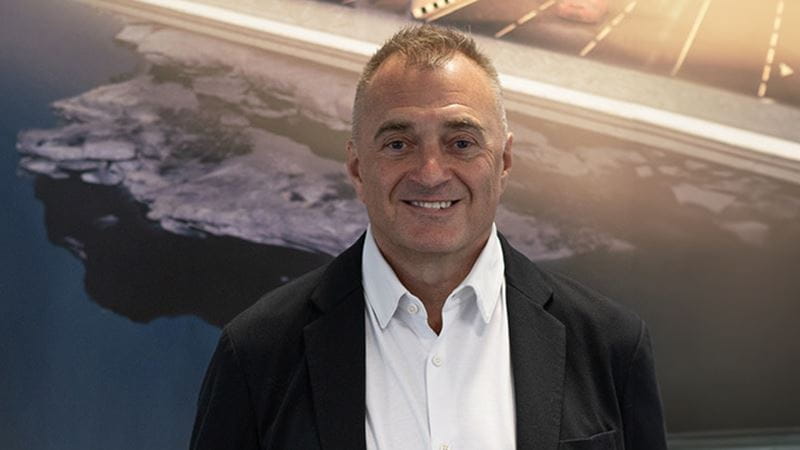
By Richard Hepworth, Business Unit President at Trelleborg Marine & Infrastructure. As seen in Invest Asia, April 2026
1. To begin, could you please provide a general overview of the Trelleborg Group’s development history, and share more about the business sectors and the products that you plan to manufacture in Vietnam?
Trelleborg Group is a global leader in engineered polymer solutions that seal, damp, and protect critical applications in demanding environments. Founded in 1896, the Group has built a long-standing industrial heritage rooted in materials science, engineering expertise, and long-term infrastructure performance by developing solutions designed to protect people, industrial equipment, infrastructure, and the environment. This purpose underpins all the Group’s business areas, including Trelleborg Marine & Infrastructure.
Within the Group, we design, engineer, test, and manufacture a broad portfolio of solutions for marine, port, offshore energy developments, and critical civil infrastructure projects worldwide, supporting safety, efficiency, and long-term asset performance across the full lifecycle.
In Vietnam, our new, state-of-the-art manufacturing facility at the Phu My 3 Specialized Industrial Park will support the production of a comprehensive range of marine and infrastructure solutions. These include high-performance marine fender systems that absorb berthing energy and protect vessels and quay structures; docking and mooring solutions that support safe and efficient vessel operations; navigation and piloting technologies that enhance situational awareness; specialized rubber processing; steel fabrication; advanced polymer solutions for marine construction projects; and advanced sealing systems used in critical infrastructure such as immersed tunnels, dry docks, and offshore structures. The expanded manufacturing footprint gained from our new facility in Vietnam strengthens our ability to deliver engineered, application-specific solutions from design through to installation, while maintaining the highest quality, safety, and performance standards required for operation.
Our approach is rooted in close collaboration with customers and combines polymer engineering expertise with in-house engineering, testing, and rigorous quality assurance. This ensures solutions are validated for real-world operating conditions and enables shorter lead times and closer alignment with project requirements across Asia-Pacific and global markets.
2. What key factors influenced Trelleborg Group’s decision to invest in Phu My 3 Specialized Industrial Park in Southern Vietnam? Additionally, could you share your development strategy for the Asia-Pacific region in the coming period?
The decision to invest in Phu My 3 Specialized Industrial Park was driven by a combination of the park’s strategic location and infrastructure, as well as an assessment of long-term market considerations. Southern Vietnam sits at the center of a rapidly developing maritime and industrial corridor, with direct access to deep-sea ports such as Cai Mep-Thi Vai and strong connectivity to regional shipping routes. The location also offers access to a skilled workforce and a supportive industrial environment, making it well suited to advanced manufacturing of large-scale marine and infrastructure components that require efficient logistics and close coordination with project schedules.
From an operational perspective, the site provides us with the industrial conditions needed for advanced polymer processing, steel fabrication, and system integration. These capabilities are essential for products such as marine fender systems, docking and mooring equipment, and infrastructure sealing solutions, which are typically engineered to order and manufactured in close alignment with individual project requirements.
The Vietnam facility complements Trelleborg Marine & Infrastructure’s existing manufacturing presence in Qingdao, China, giving us a more balanced and resilient regional manufacturing network. Together, these facilities allow us to better support customers across Asia-Pacific by improving lead times, enhancing production flexibility, and enabling closer collaboration throughout the design, manufacturing, and delivery phases of complex marine and infrastructure projects.
Looking ahead, Asia-Pacific remains a key growth region for ports, terminals, offshore energy, and coastal infrastructure. We are focused on further strengthening our regional manufacturing capacity and engineering support to meet growing demand for high-performance, long-life solutions that perform reliably under variable operating conditions, enabling safe operations, regulatory compliance, and sustainable infrastructure development. The Vietnam facility plays a central role in delivering this strategy by aligning global engineering standards with regional manufacturing and project needs.
3. For products such as marine fenders and rubber-lined steel pipes, what innovative technologies or solutions has Trelleborg implemented to enhance quality and performance?
Innovation at Trelleborg Marine & Infrastructure is centered on application-specific engineering, materials performance, and lifecycle reliability, with a focus on addressing safety-critical challenges in ports, terminals, and infrastructure projects operating under demanding conditions.
In marine fender systems, this includes the use of advanced polymer formulations and precisely engineered geometries to manage berthing energy, reduce structural loads, and deliver predictable performance over long service lives. Fender systems are engineered in accordance with recognized international guidelines and tailored to the specific vessel mix, berth configuration, and environmental conditions of each application. They are designed to maintain consistent performance across varying berthing angles and pressures, supporting safe operations while protecting vessel hulls and critical infrastructure in dynamic marine environments, particularly as vessel sizes increase.
In applications involving aggressive, abrasive, or corrosive elements, we also deliver rubber-lined steel pipe solutions to protect critical assets and extend service life. Using carefully selected rubber compounds such as natural rubber, butyl, and nitrile, these linings provide resistance to chemical attack, abrasion, vibration, and thermal expansion. Each solution is engineered, manufactured, and quality-controlled to suit the specific operating environment.
In sealing and infrastructure applications, Trelleborg draws on decades of experience in rubber engineering to deliver large-scale sealing solutions for dry docks, immersed tunnels, and offshore structures, where watertightness and durability are critical. These systems are engineered to accommodate structural movement and challenging conditions, including seismic events, deep-water, and high-pressures. They have been applied on major immersed tunnel projects in China and Europe, with proven lifespans of up to 120 years, demonstrating how long-life sealing technology supports the safety, resilience, and sustainability of critical transport infrastructure.
Beyond individual components, innovation increasingly focuses on integrated systems that improve operational efficiency and safety. By combining physical products with digital and monitoring technologies, Trelleborg Marine & Infrastructure supports safer operations while helping customers optimize asset performance and reduce operational risk over time.
Across all product areas, we maintain full control over design, manufacturing, and testing in-house, ensuring performance is engineered, verified, and maintained throughout the asset lifecycle, while enhancing our ability to continuously refine and improve materials, processes, and validation methods.
4. Beyond production development and market expansion, how does Trelleborg aim to create a positive and sustainable impact on the local community through this project at Phu My 3 Specialized Industrial Park?
Sustainability and responsible business practices are integral to Trelleborg Marine & Infrastructure’s operations globally, and the Vietnam facility has been developed with these principles in mind. The site integrates measures to reduce environmental impact, including the use of solar panels and advanced water and wastewater management systems, in line with Trelleborg’s Sustainability by Design document, which focuses on engineering sustainability into products, processes, and operations from the outset.
From a social and operational perspective, we aim to be responsible, contributing in ways we can within the communities where we operate. The Vietnam facility supports local economic development through skilled job creation and training, while maintaining a strong emphasis on workplace safety, quality control, and manufacturing best practice.
More broadly, our approach to sustainability is guided by Trelleborg’s Protecting the Essential strategy, which focuses on protecting people, infrastructure, and the environment across operations, compliance, and social engagement. This approach ensures sustainability is delivered through engineering decisions, operational discipline, and responsible practices.
By supplying solutions engineered for long service life and reduced replacement and maintenance requirements, we support more sustainable port, energy, and infrastructure developments in Vietnam and internationally. This includes reducing emissions across operations, advancing circular economy principles in manufacturing, and supporting local engagement initiatives. Through these combined efforts, our new facility at Phu My 3 Specialized Industrial Park aims to create shared, long-term value for customers, employees, and local communities while supporting sustainable industrial development.
Trelleborg Group is a global leader in engineered polymer solutions that seal, damp, and protect critical applications in demanding environments. Founded in 1896, the Group has built a long-standing industrial heritage rooted in materials science, engineering expertise, and long-term infrastructure performance by developing solutions designed to protect people, industrial equipment, infrastructure, and the environment. This purpose underpins all the Group’s business areas, including Trelleborg Marine & Infrastructure.
Within the Group, we design, engineer, test, and manufacture a broad portfolio of solutions for marine, port, offshore energy developments, and critical civil infrastructure projects worldwide, supporting safety, efficiency, and long-term asset performance across the full lifecycle.
In Vietnam, our new, state-of-the-art manufacturing facility at the Phu My 3 Specialized Industrial Park will support the production of a comprehensive range of marine and infrastructure solutions. These include high-performance marine fender systems that absorb berthing energy and protect vessels and quay structures; docking and mooring solutions that support safe and efficient vessel operations; navigation and piloting technologies that enhance situational awareness; specialized rubber processing; steel fabrication; advanced polymer solutions for marine construction projects; and advanced sealing systems used in critical infrastructure such as immersed tunnels, dry docks, and offshore structures. The expanded manufacturing footprint gained from our new facility in Vietnam strengthens our ability to deliver engineered, application-specific solutions from design through to installation, while maintaining the highest quality, safety, and performance standards required for operation.
Our approach is rooted in close collaboration with customers and combines polymer engineering expertise with in-house engineering, testing, and rigorous quality assurance. This ensures solutions are validated for real-world operating conditions and enables shorter lead times and closer alignment with project requirements across Asia-Pacific and global markets.
2. What key factors influenced Trelleborg Group’s decision to invest in Phu My 3 Specialized Industrial Park in Southern Vietnam? Additionally, could you share your development strategy for the Asia-Pacific region in the coming period?
The decision to invest in Phu My 3 Specialized Industrial Park was driven by a combination of the park’s strategic location and infrastructure, as well as an assessment of long-term market considerations. Southern Vietnam sits at the center of a rapidly developing maritime and industrial corridor, with direct access to deep-sea ports such as Cai Mep-Thi Vai and strong connectivity to regional shipping routes. The location also offers access to a skilled workforce and a supportive industrial environment, making it well suited to advanced manufacturing of large-scale marine and infrastructure components that require efficient logistics and close coordination with project schedules.
From an operational perspective, the site provides us with the industrial conditions needed for advanced polymer processing, steel fabrication, and system integration. These capabilities are essential for products such as marine fender systems, docking and mooring equipment, and infrastructure sealing solutions, which are typically engineered to order and manufactured in close alignment with individual project requirements.
The Vietnam facility complements Trelleborg Marine & Infrastructure’s existing manufacturing presence in Qingdao, China, giving us a more balanced and resilient regional manufacturing network. Together, these facilities allow us to better support customers across Asia-Pacific by improving lead times, enhancing production flexibility, and enabling closer collaboration throughout the design, manufacturing, and delivery phases of complex marine and infrastructure projects.
Looking ahead, Asia-Pacific remains a key growth region for ports, terminals, offshore energy, and coastal infrastructure. We are focused on further strengthening our regional manufacturing capacity and engineering support to meet growing demand for high-performance, long-life solutions that perform reliably under variable operating conditions, enabling safe operations, regulatory compliance, and sustainable infrastructure development. The Vietnam facility plays a central role in delivering this strategy by aligning global engineering standards with regional manufacturing and project needs.
3. For products such as marine fenders and rubber-lined steel pipes, what innovative technologies or solutions has Trelleborg implemented to enhance quality and performance?
Innovation at Trelleborg Marine & Infrastructure is centered on application-specific engineering, materials performance, and lifecycle reliability, with a focus on addressing safety-critical challenges in ports, terminals, and infrastructure projects operating under demanding conditions.
In marine fender systems, this includes the use of advanced polymer formulations and precisely engineered geometries to manage berthing energy, reduce structural loads, and deliver predictable performance over long service lives. Fender systems are engineered in accordance with recognized international guidelines and tailored to the specific vessel mix, berth configuration, and environmental conditions of each application. They are designed to maintain consistent performance across varying berthing angles and pressures, supporting safe operations while protecting vessel hulls and critical infrastructure in dynamic marine environments, particularly as vessel sizes increase.
In applications involving aggressive, abrasive, or corrosive elements, we also deliver rubber-lined steel pipe solutions to protect critical assets and extend service life. Using carefully selected rubber compounds such as natural rubber, butyl, and nitrile, these linings provide resistance to chemical attack, abrasion, vibration, and thermal expansion. Each solution is engineered, manufactured, and quality-controlled to suit the specific operating environment.
In sealing and infrastructure applications, Trelleborg draws on decades of experience in rubber engineering to deliver large-scale sealing solutions for dry docks, immersed tunnels, and offshore structures, where watertightness and durability are critical. These systems are engineered to accommodate structural movement and challenging conditions, including seismic events, deep-water, and high-pressures. They have been applied on major immersed tunnel projects in China and Europe, with proven lifespans of up to 120 years, demonstrating how long-life sealing technology supports the safety, resilience, and sustainability of critical transport infrastructure.
Beyond individual components, innovation increasingly focuses on integrated systems that improve operational efficiency and safety. By combining physical products with digital and monitoring technologies, Trelleborg Marine & Infrastructure supports safer operations while helping customers optimize asset performance and reduce operational risk over time.
Across all product areas, we maintain full control over design, manufacturing, and testing in-house, ensuring performance is engineered, verified, and maintained throughout the asset lifecycle, while enhancing our ability to continuously refine and improve materials, processes, and validation methods.
4. Beyond production development and market expansion, how does Trelleborg aim to create a positive and sustainable impact on the local community through this project at Phu My 3 Specialized Industrial Park?
Sustainability and responsible business practices are integral to Trelleborg Marine & Infrastructure’s operations globally, and the Vietnam facility has been developed with these principles in mind. The site integrates measures to reduce environmental impact, including the use of solar panels and advanced water and wastewater management systems, in line with Trelleborg’s Sustainability by Design document, which focuses on engineering sustainability into products, processes, and operations from the outset.
From a social and operational perspective, we aim to be responsible, contributing in ways we can within the communities where we operate. The Vietnam facility supports local economic development through skilled job creation and training, while maintaining a strong emphasis on workplace safety, quality control, and manufacturing best practice.
More broadly, our approach to sustainability is guided by Trelleborg’s Protecting the Essential strategy, which focuses on protecting people, infrastructure, and the environment across operations, compliance, and social engagement. This approach ensures sustainability is delivered through engineering decisions, operational discipline, and responsible practices.
By supplying solutions engineered for long service life and reduced replacement and maintenance requirements, we support more sustainable port, energy, and infrastructure developments in Vietnam and internationally. This includes reducing emissions across operations, advancing circular economy principles in manufacturing, and supporting local engagement initiatives. Through these combined efforts, our new facility at Phu My 3 Specialized Industrial Park aims to create shared, long-term value for customers, employees, and local communities while supporting sustainable industrial development.