
Meet the Pioneers - Jurriaan van den Berg
Date: 11.08.26
Jurriaan Van Den Berg, Manager, Design Engineering and Innovation, explains why the tunnel industry must embed whole-life asset management into design from the outset, addressing durability, climate resilience, and data-driven maintenance for infrastructure designed to last 100+ years.
With design lives stretching to 100 years and beyond, the challenge facing tunnel engineers is no longer simply delivering projects on time and on budget.
From durability and maintenance to climate resilience and data-driven asset management, the sector is increasingly being forced to think differently about how infrastructure performs throughout its entire operational life.
Immersed tube tunnels are typically constructed by excavating a trench before placing large, prefabricated tunnel segments into position and backfilling the trench.
They are increasingly being selected for major water crossings because they can avoid impacts on shipping and aviation, while providing fixed road and rail links.
Based in Trelleborg, Sweden, Trelleborg Marine and Infrastructure specialises in total sealing systems for immersed tube, bored and cut and cover tunnels.
“Immersed tunnels are among the most technically ambitious and strategically valuable assets in the built environment,” the company says.
“They connect cities, carry critical infrastructure across waterways, and serve communities for generations.”
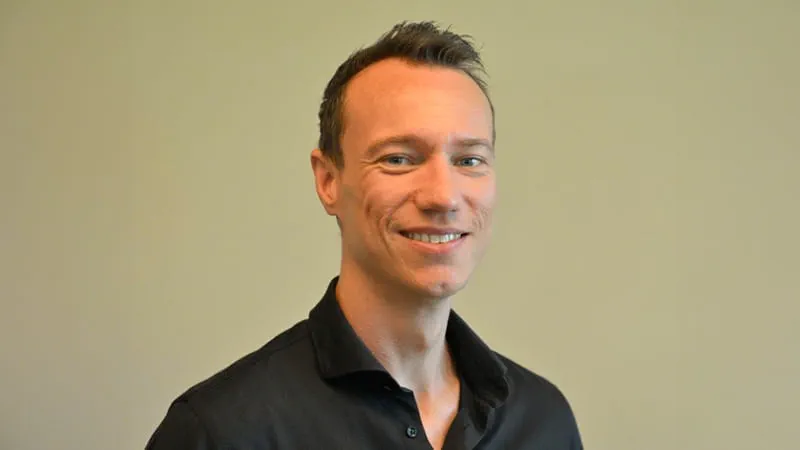
Trelleborg Marine and Infrastructure design engineering manager Jurriaan van den Berg, who is based in the Netherlands, believes the industry needs to move beyond a traditional handover mentality and embed whole-life maintenance into the design process from the outset.
He says better inspection regimes and data collection will be essential in determining whether ageing tunnels can safely exceed their intended design life, while future uncertainty – from climate change to changing traffic demands – means infrastructure should be designed to adapt rather than simply meet today’s requirements.
From durability and maintenance to climate resilience and data-driven asset management, the sector is increasingly being forced to think differently about how infrastructure performs throughout its entire operational life.
Immersed tube tunnels are typically constructed by excavating a trench before placing large, prefabricated tunnel segments into position and backfilling the trench.
They are increasingly being selected for major water crossings because they can avoid impacts on shipping and aviation, while providing fixed road and rail links.
Based in Trelleborg, Sweden, Trelleborg Marine and Infrastructure specialises in total sealing systems for immersed tube, bored and cut and cover tunnels.
“Immersed tunnels are among the most technically ambitious and strategically valuable assets in the built environment,” the company says.
“They connect cities, carry critical infrastructure across waterways, and serve communities for generations.”
Trelleborg Marine and Infrastructure design engineering manager Jurriaan van den Berg, who is based in the Netherlands, believes the industry needs to move beyond a traditional handover mentality and embed whole-life maintenance into the design process from the outset.
He says better inspection regimes and data collection will be essential in determining whether ageing tunnels can safely exceed their intended design life, while future uncertainty – from climate change to changing traffic demands – means infrastructure should be designed to adapt rather than simply meet today’s requirements.