

Securing functionality of critical applications
To discover our innovative solutions that seal, damp and protect critical applications from space to seabed, click on the links below to get to the respective solution.

Antivibration Solutions
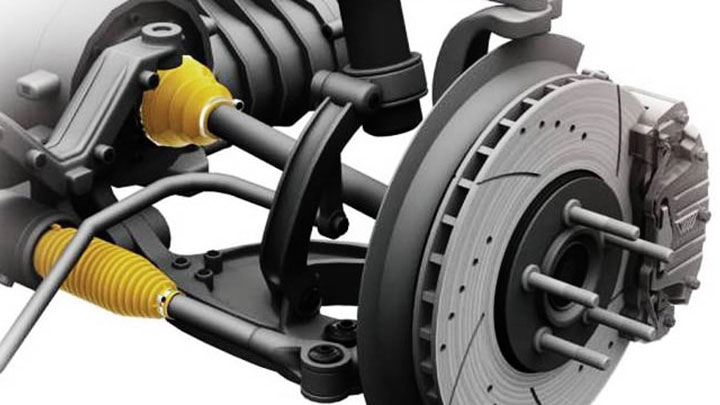
Automotive Boots
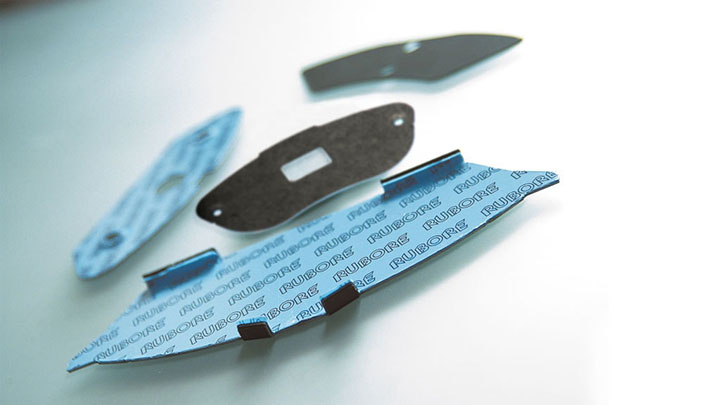
Automotive Noise Damping
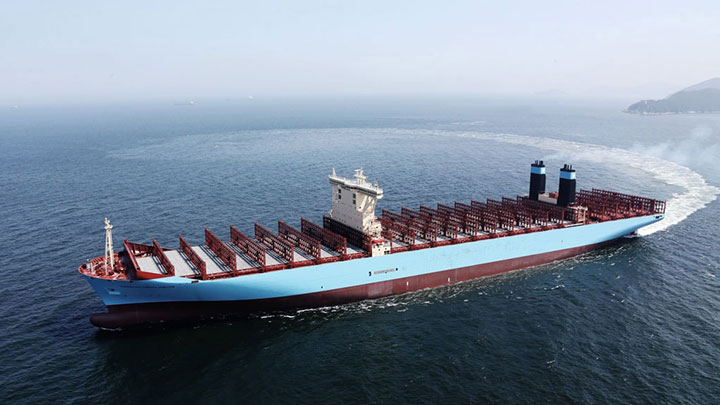
Bearings & Bushings
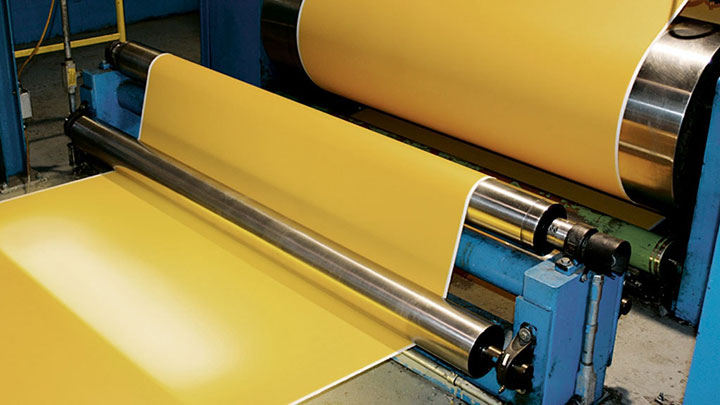
Engineered Coated Fabrics
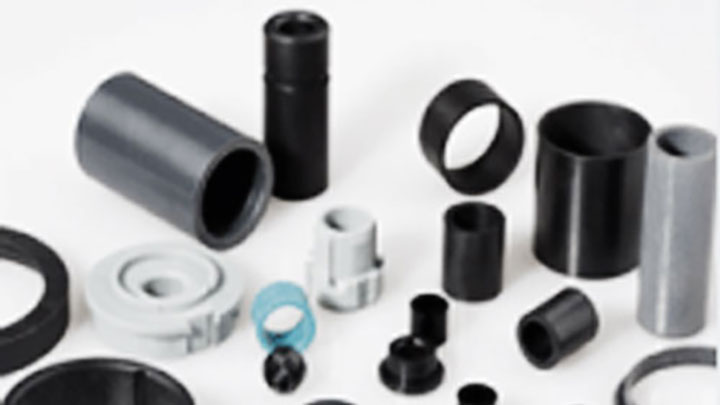
Engineered Molded Parts
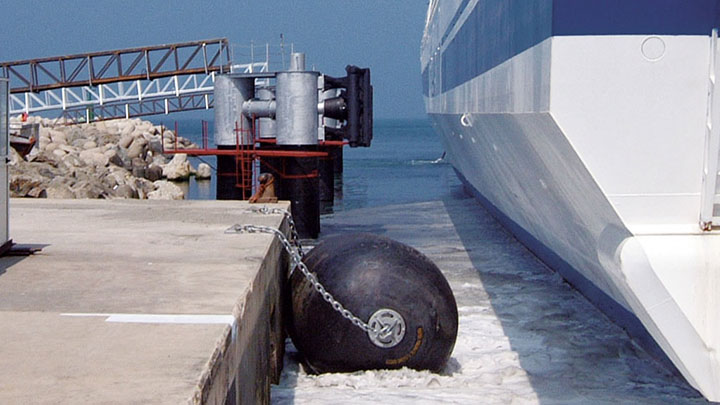
Fenders, Docking & Mooring
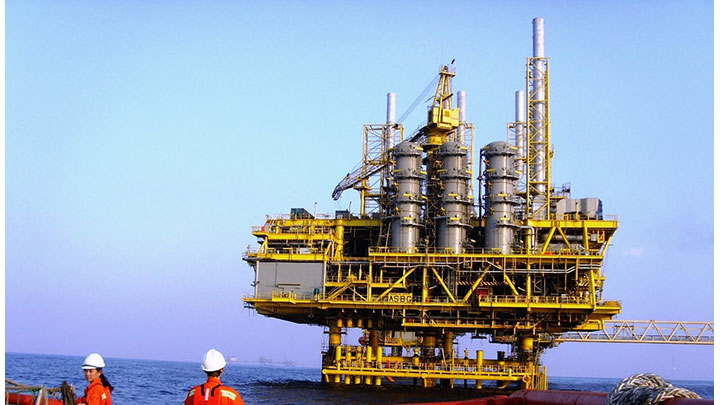
Floatover Solutions
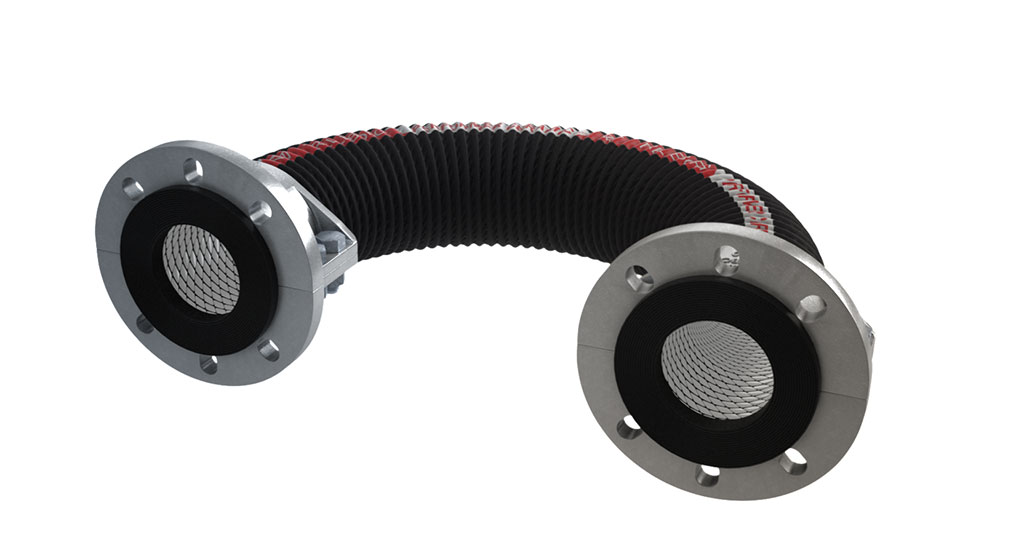
Fluid Handling Solutions

Healthcare & Medical Solutions
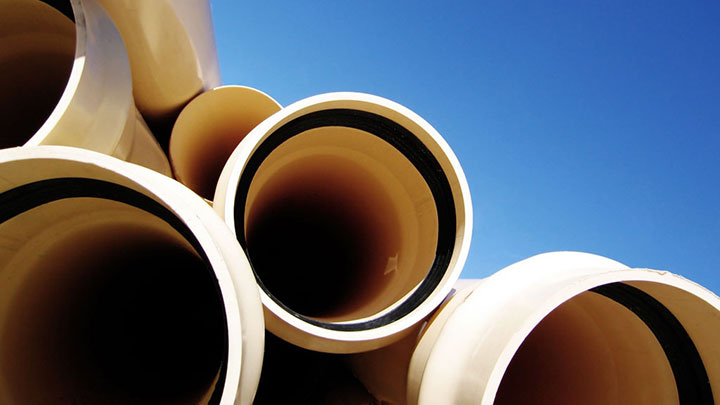
Pipe Seals & Repair

Sealing Profiles
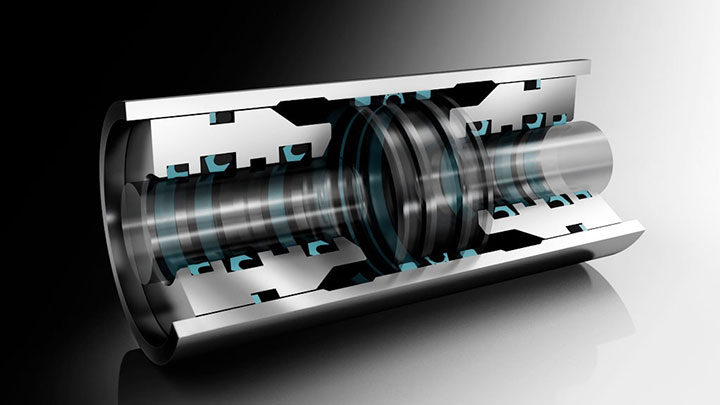
Sealing Solutions
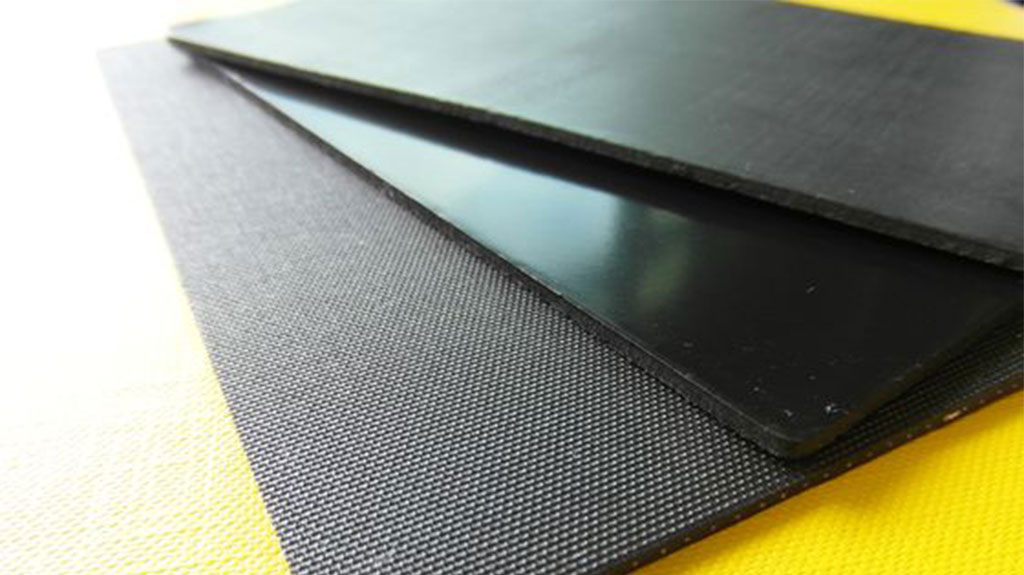
Rubber Sheeting

Tunnel Seals
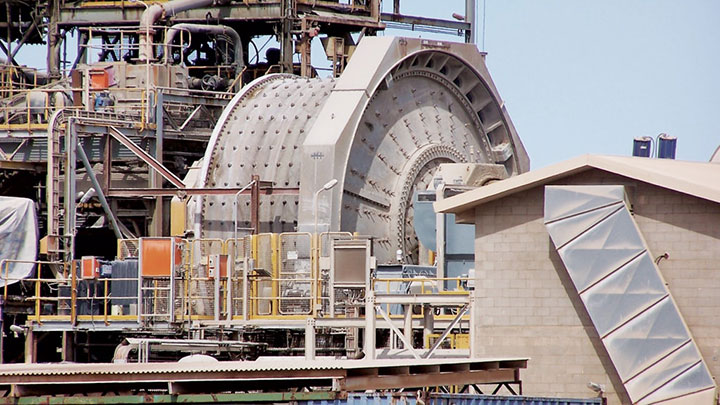
Wear Protection

Find your industry
Having trouble finding the correct solution? Have a look at our industry pages.

All Trelleborg Apps
Here you find all Trelleborgs smartphone apps
Other Solutions
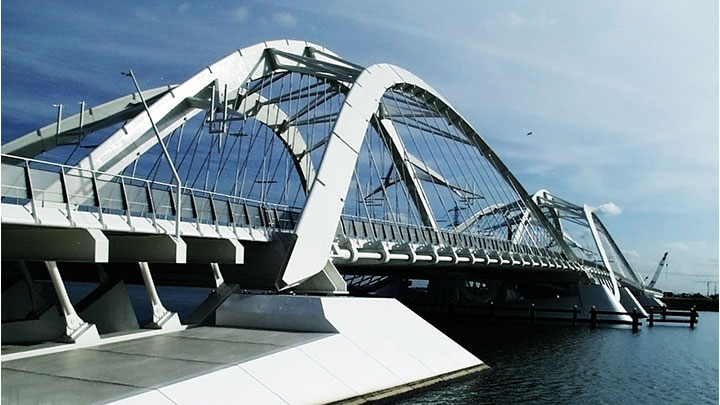
Bridge Bearings

Bridge Expansion Joints
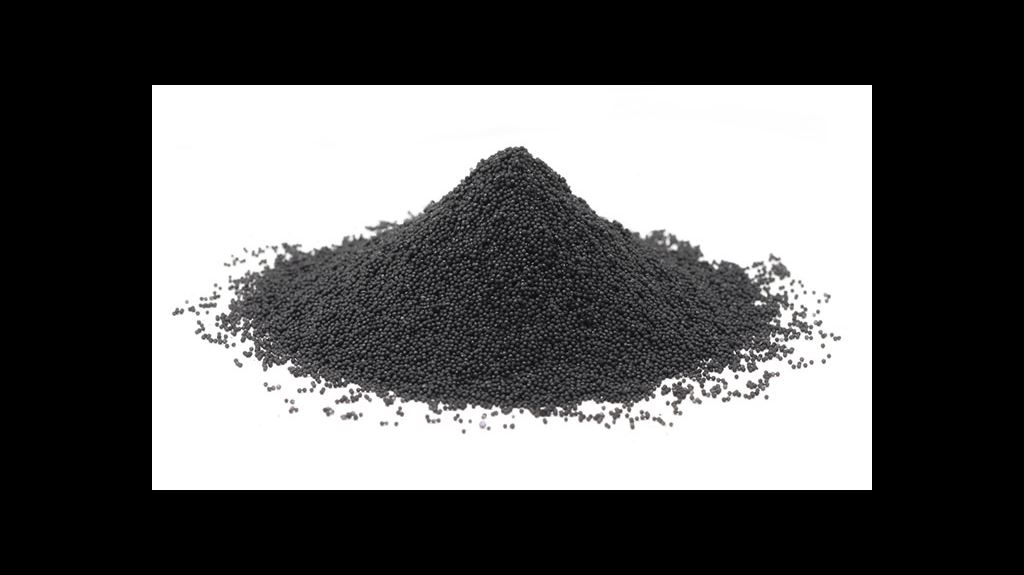
Cable & Rubber Compounds
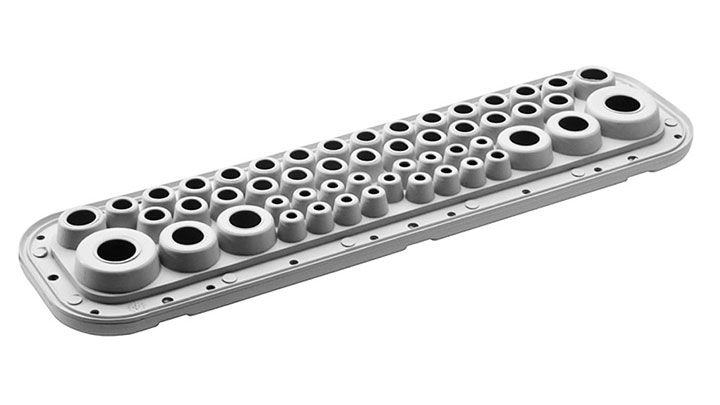
Electrical Protection

Embedded Rail Systems
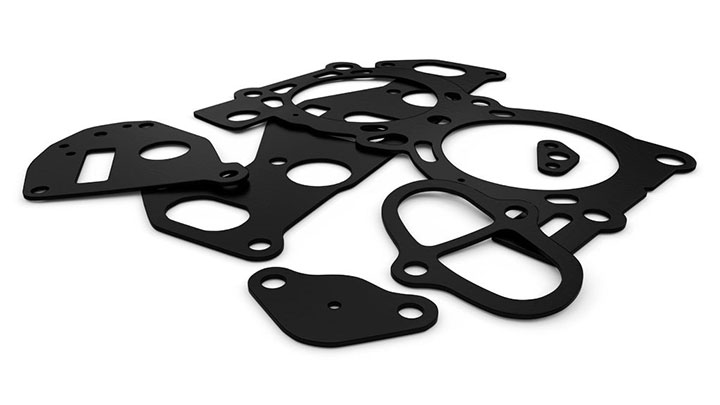
Flat Gaskets
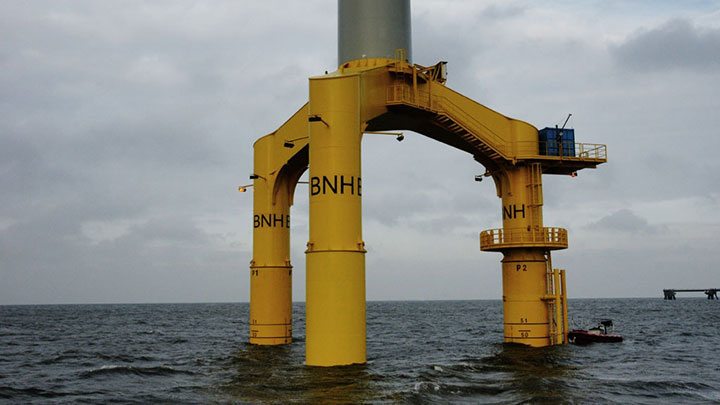
Grout seals
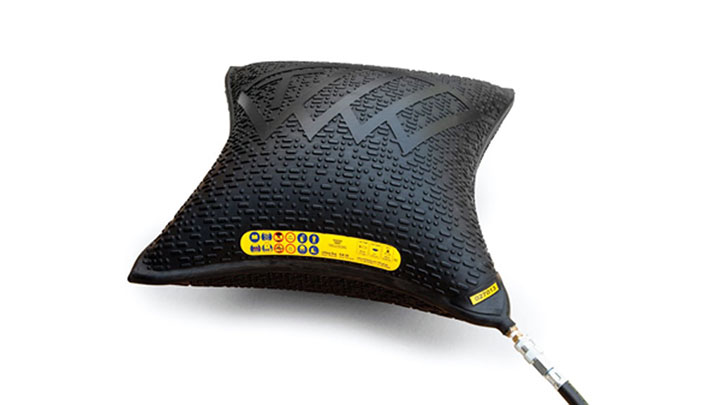
Inflatable products
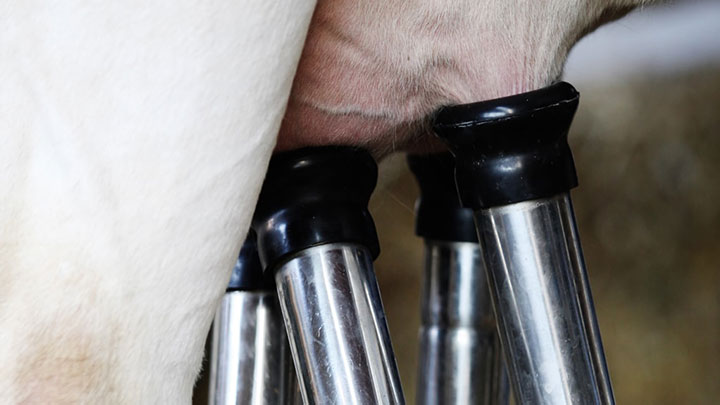
Milk Liners
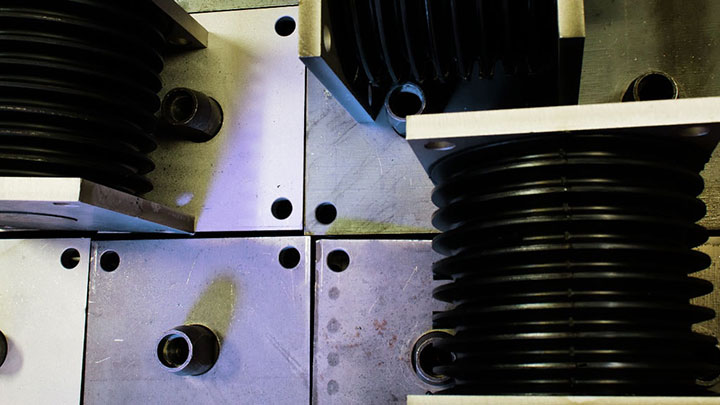
Noise & Vibration Damping
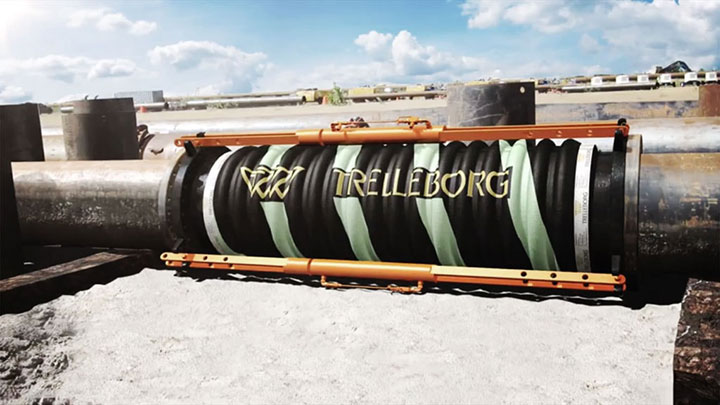
Oil Sand Applications
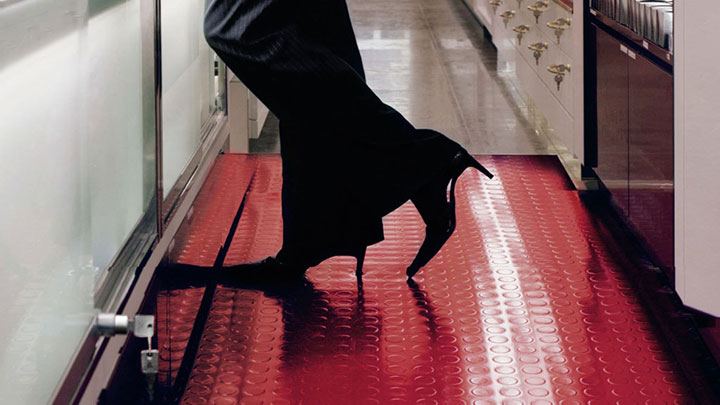
Rubber Flooring
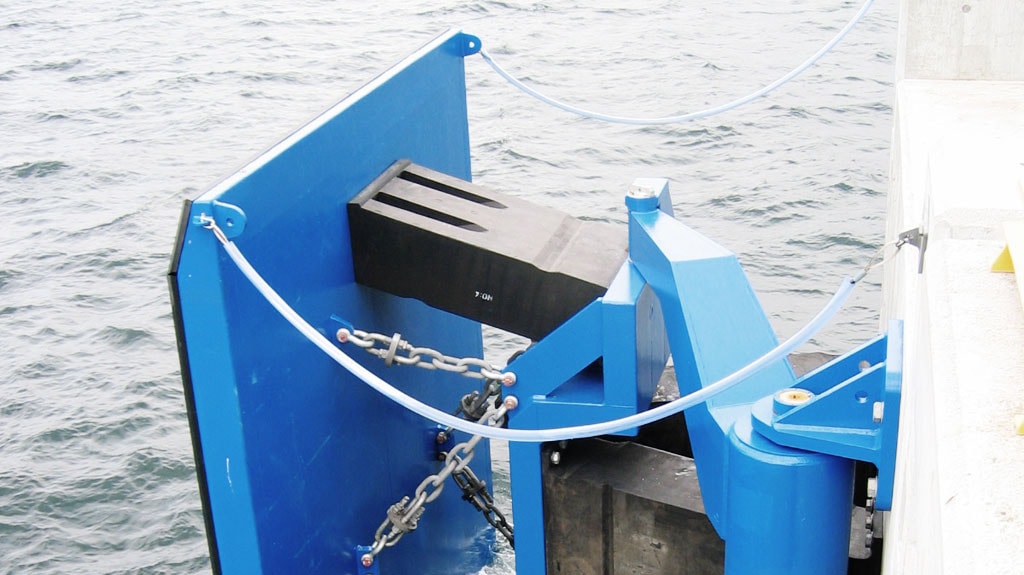
Ship Fenders
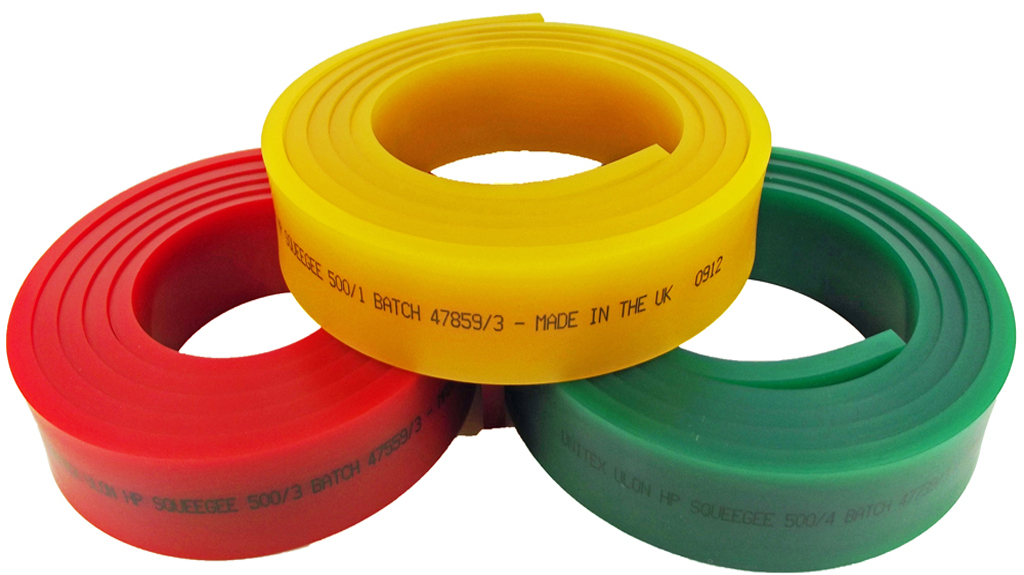
Squeegees

Truck & Diesel Solutions
Contact Us
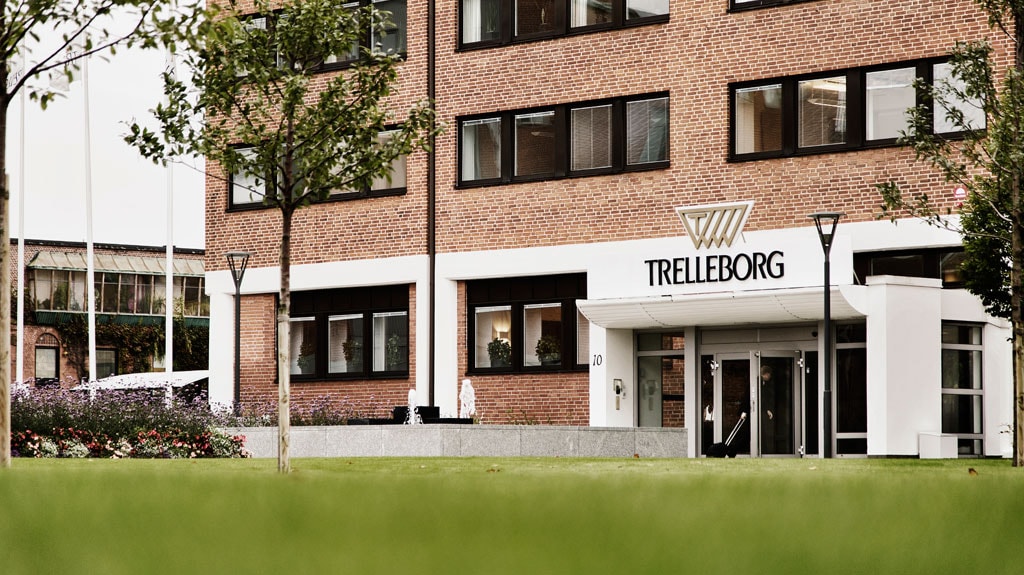
Trelleborg Headquarter
P.O. Box 153
231 22 Trelleborg Sweden
Visiting address: Johan Kocksgatan 10
tel: +46 410 670 00