
Hydrogen is key to achieving sustainable development policies, which aim at reducing greenhouse gas emissions. Renewable energy sources, such as wind and solar, fluctuate and are not available everywhere in equal amounts. Where a surplus is generated, this can be used to feed the power to hydrogen process. Hydrogen can be stored and transported to places where energy consumption is high and energy from renewable sources is not sufficient.
In the realm of hydrogen applications, reliable and efficient sealing technology plays a critical role in ensuring safety and performance. As hydrogen gains prominence as a clean energy source, industries such as fuel cells, hydrogen storage, and transportation face unique challenges in containing this highly reactive gas.
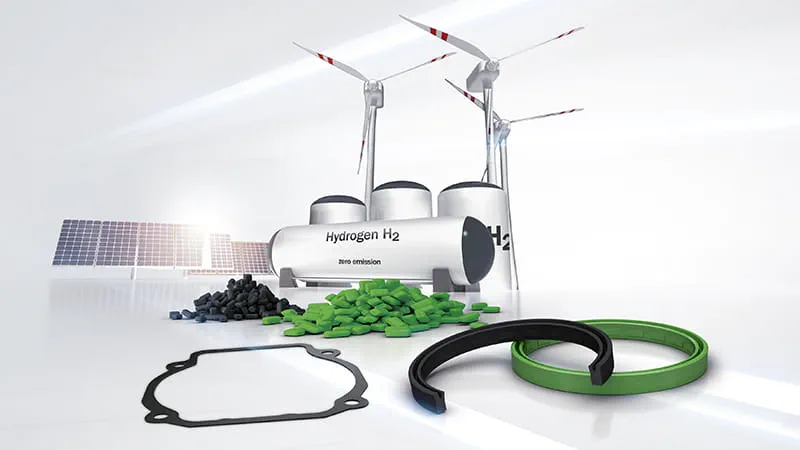
Our seals and sealing materials are specifically designed for hydrogen applications. They are engineered to withstand the demanding conditions associated with hydrogen storage, transport, and utilization. Our advanced materials and innovative designs prevent leakage and maintain system integrity in the most challenging environments. By offering robust sealing technologies, we aim to support the widespread adoption of hydrogen as a sustainable energy solution while prioritizing safety and reliability.
Our seals and sealing materials are specifically designed for hydrogen applications. They are engineered to withstand the demanding conditions associated with hydrogen storage, transport, and utilization. Our advanced materials and innovative designs prevent leakage and maintain system integrity in the most challenging environments. By offering robust sealing technologies, we aim to support the widespread adoption of hydrogen as a sustainable energy solution while prioritizing safety and reliability.
Virtual Showroom
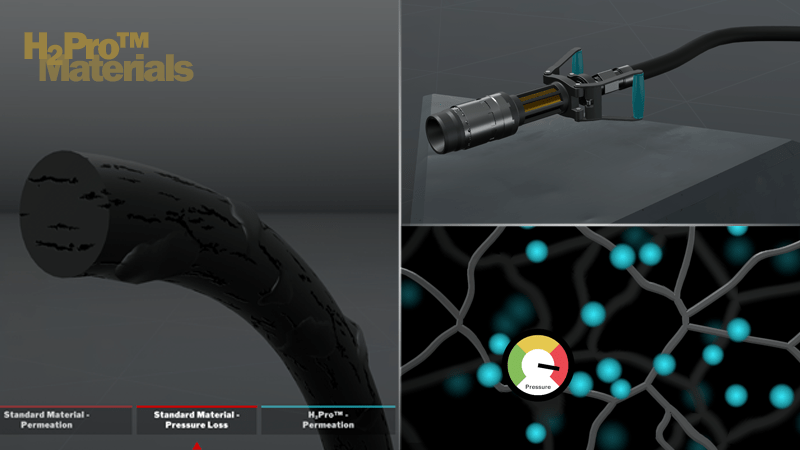
Explore the challenges of permeation and rapid gas decompression and see how H2Pro™ hydrogen sealing materials perform.
Sealing Across the Hydrogen Value Chain
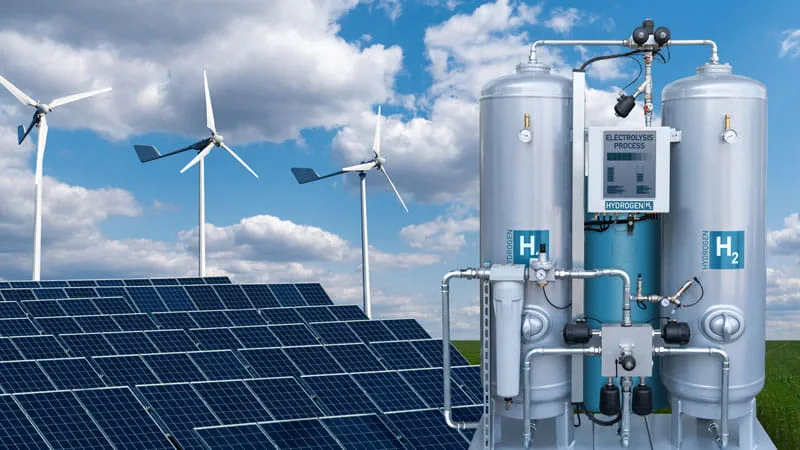
Hydrogen Production
The production of green hydrogen is a key driver in the transition to a decarbonized energy system.
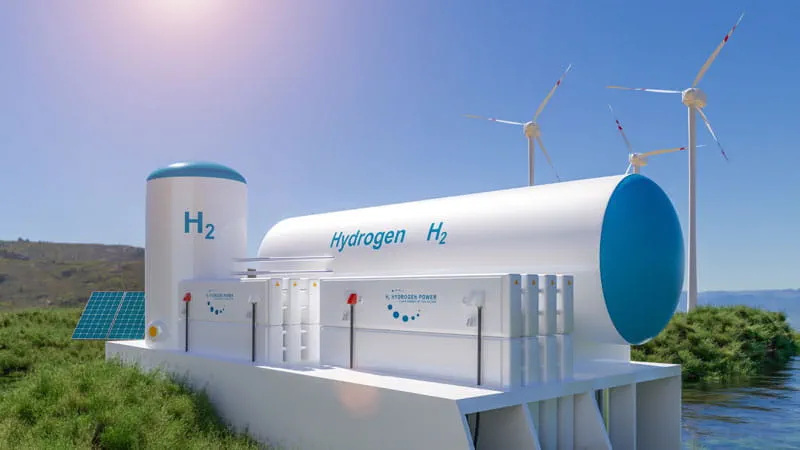
Hydrogen Storage & Transportation
Hydrogen, produced by electrolysis using renewable resources, can be stored and converted back to electricity when required.
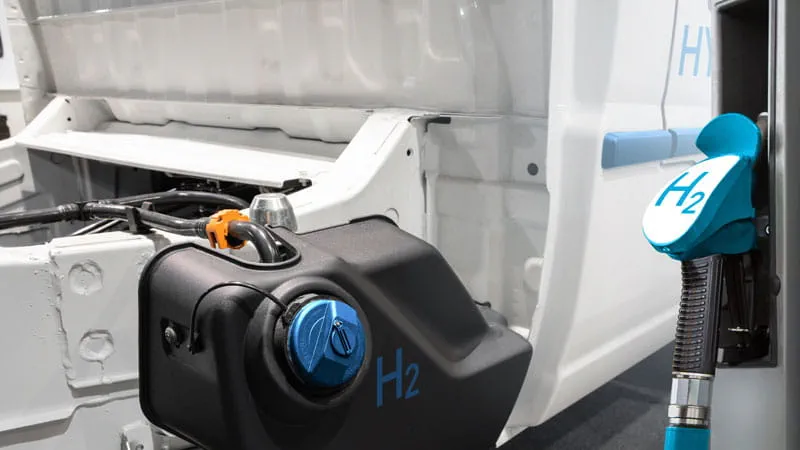
Hydrogen End-Use
Trelleborg Sealing Solutions innovative seal materials and designs enhance the efficiency and reliability of green hydrogen systems.
Solutions for Valves
Hydrogen valves are specialized components designed to safely control the flow and pressure of hydrogen gas in storage, transport, and fuel cell systems, ensuring leak prevention and reliable operation in high-pressure and sensitive environments.
Solutions for Compressors
Hydrogen compressors are critical devices that increase the pressure of hydrogen gas for storage, transportation, and fueling applications, enabling efficient handling and delivery while maintaining safety in high-pressure environments.
Solutions for Fuel Cells and Electrolyzers
Fuel cells and electrolyzers are key technologies in hydrogen energy systems, with fuel cells converting hydrogen into electricity for power generation, and electrolyzers using electricity to split water into hydrogen and oxygen for clean hydrogen production.
H2Pro™ Materials
Unique Characteristics
Hydrogen has very special properties and requires innovative, tailor-made sealing solutions:
- Permeation – hydrogen is the smallest molecule and can permeate sealing materials.
- Extremely low temperatures – hydrogen can be stored as a liquid or a gas. Gaseous hydrogen (CGH2) requires low temperatures for storage and liquid hydrogen (LH2) is stored at cryogenic conditions.
- Very high pressures – hydrogen is compressed to increase volumetric energy density, making it a more efficient source of energy.
- Explosive decompression – when pressure in a hydrogen application decreases, hydrogen molecules are released from the seals, which can cause damage to or even destroy sealing materials.
Trelleborg’s H2Pro™ hydrogen sealing material range offers solutions across the hydrogen value chain, from production to storage and transport to end use. This family of specially engineered materials is designed to meet the unique needs of hydrogen applications.
Hydrogen Testing Capabilities
Testing capabilities include hydrogen leak detection, compatibility, dynamic testing and permeation testing which are all critical criteria for sealing hydrogen. Engineering experts perform tests that replicate worst case application conditions for rapid gas decompression, where hydrogen in a high-pressure system can be absorbed into a seal and if the pressure is suddenly relieved, gas trapped in the seal can expand, potentially causing the seal to blister and crack as the gas tries to escape.
We are equipped to test under a wide range of extreme conditions, including:
Temperature range: from -80°C to +177°C
Pressure capabilities: up to 2,000 bar
Gas composition: testing with up to 100% hydrogen
These parameters allow us to replicate real-world environments and validate sealing performance under the most demanding hydrogen service conditions.
We are equipped to test under a wide range of extreme conditions, including:
Temperature range: from -80°C to +177°C
Pressure capabilities: up to 2,000 bar
Gas composition: testing with up to 100% hydrogen
These parameters allow us to replicate real-world environments and validate sealing performance under the most demanding hydrogen service conditions.