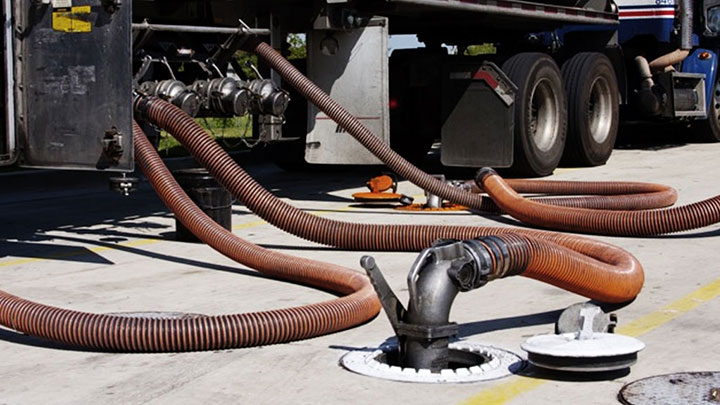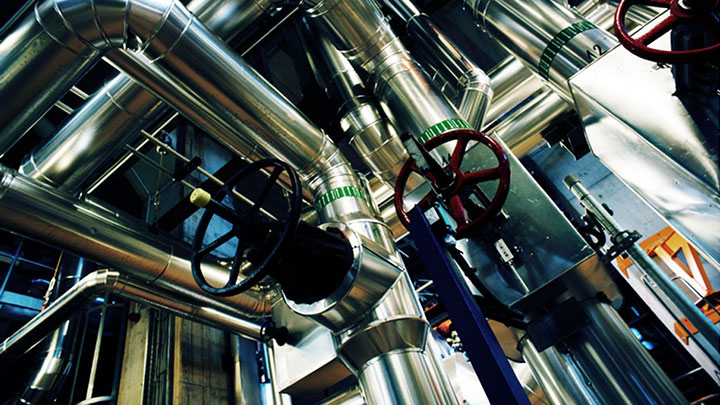
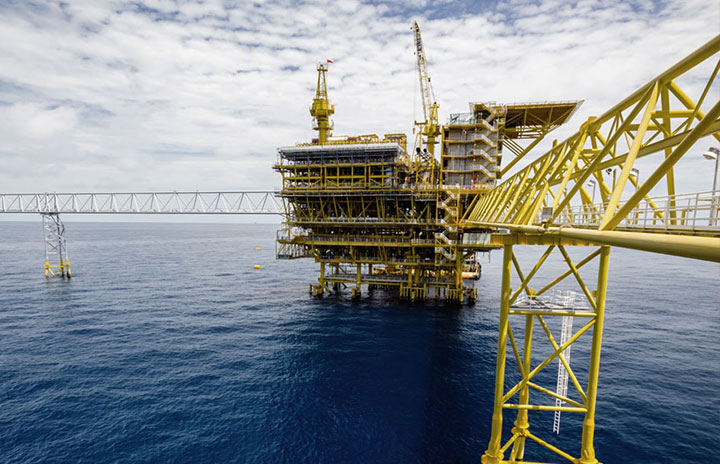
Tackling your most important issues
When you explore oil and gas fields or tap into more challenging sources you must operate in increasingly harsh and tough conditions. With Trelleborg’s engineered solutions you can rely on equipment durability, increased safety and compatibility.
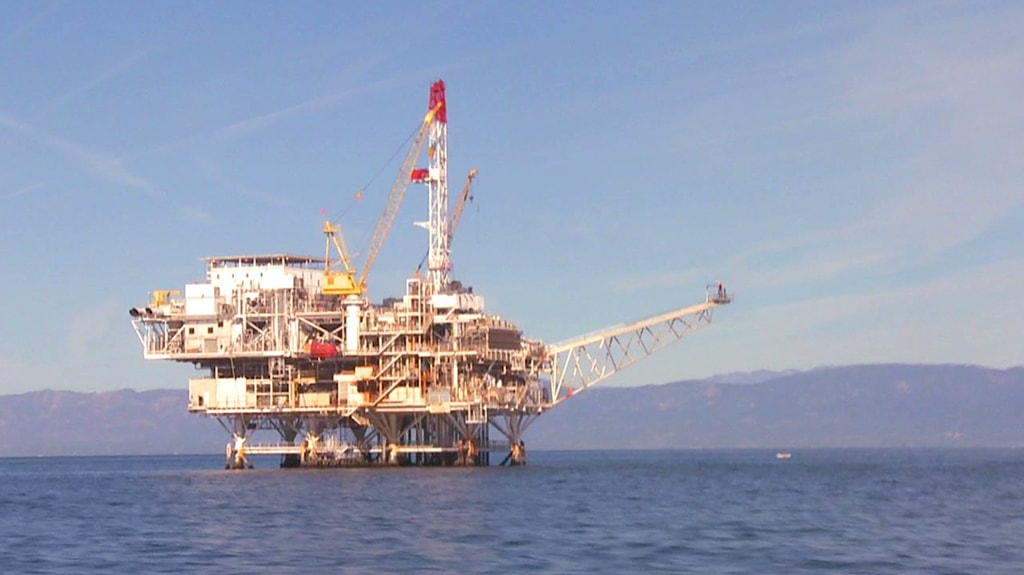
Stay compliant
You must meet stringent global standards to stay operationally and environmentally compliant. That is why you need innovations in both products and materials. Trelleborg is at the forefront when it comes to realizing innovative ideas, making sure that they are approved and readily available for you to benefit from them.
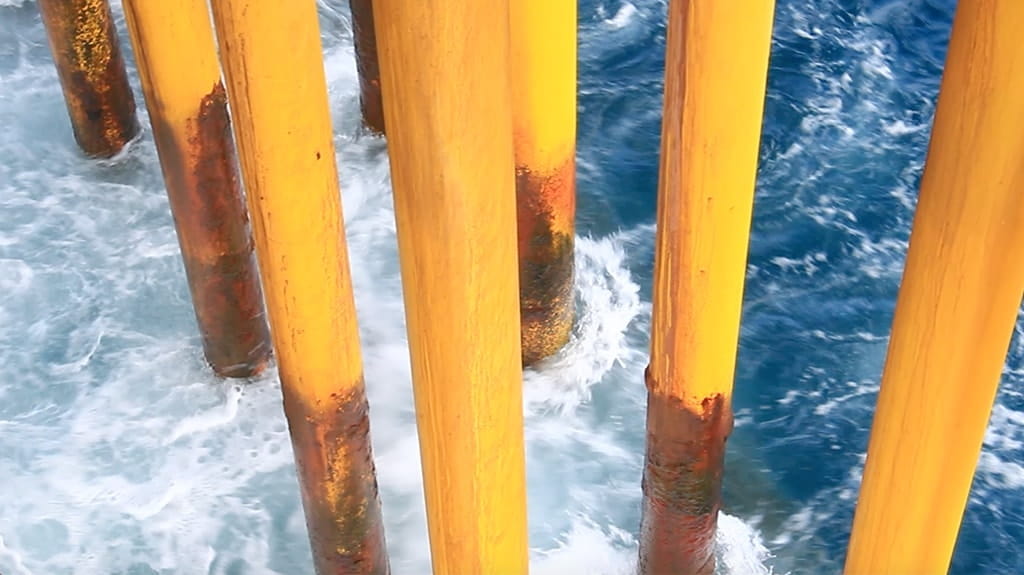
Think about safety
Since your work concerns some of the harshest operating conditions, protecting people, structures and equipment is paramount to ensure safety.
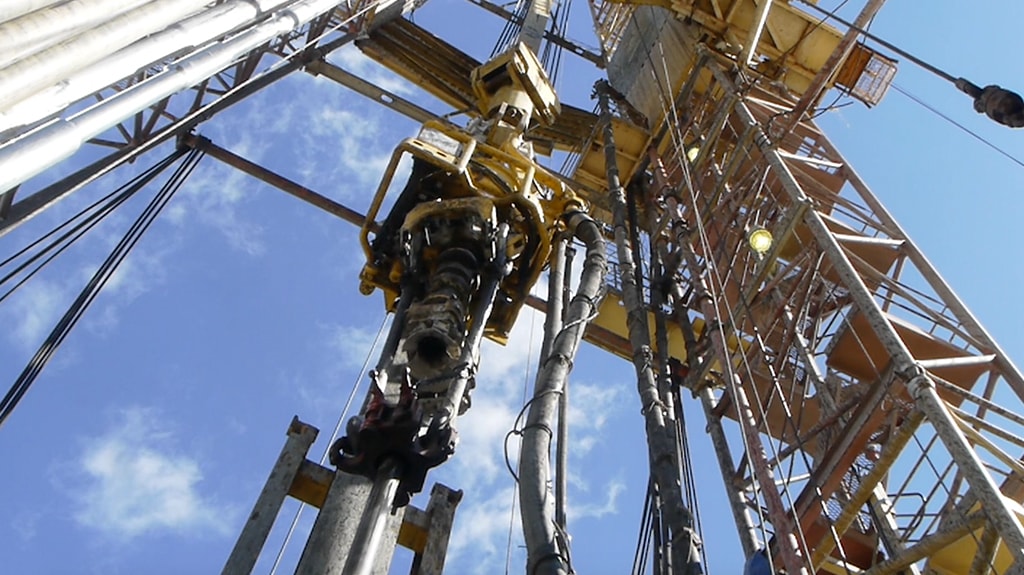
Increase compatibility
As drilling moves deeper, temperatures and pressures are becoming more extreme, it becomes even more important for you to increase material compatibility.

Trelleborg’s engineered solutions for the oil and gas industry are developed using innovative, high-performance materials to protect and damp in even the toughest of conditions.
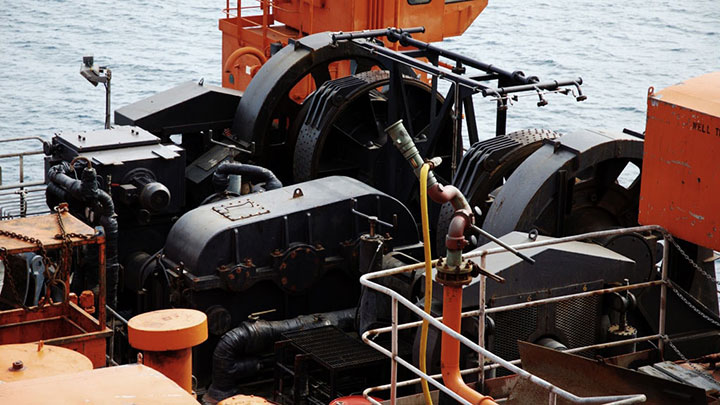
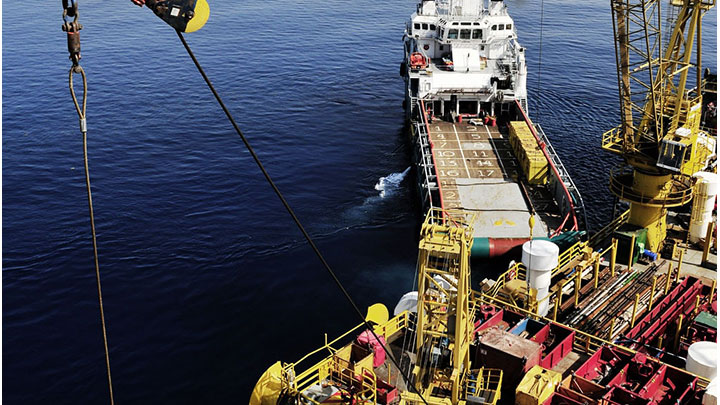
Topside & Maintenance and Modification Offshore (MMO)
Protection, systems and technology on rigs and FPSOs.
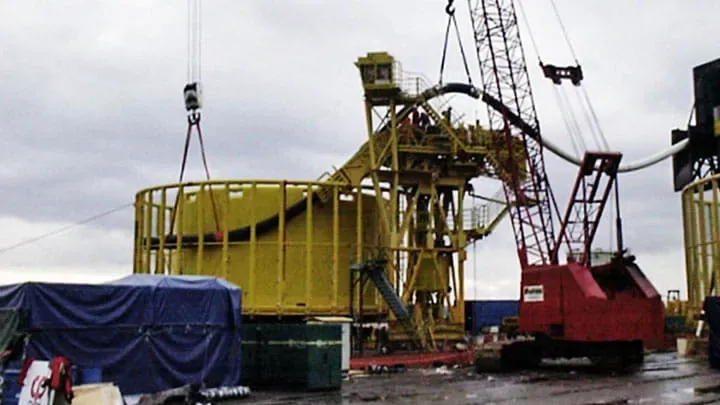
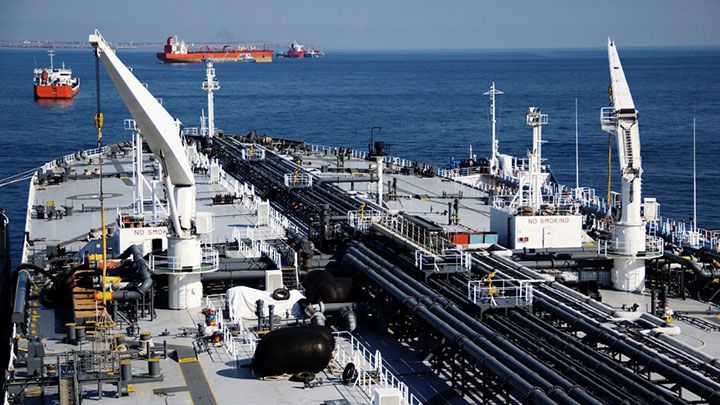
Oil & Gas Transfer
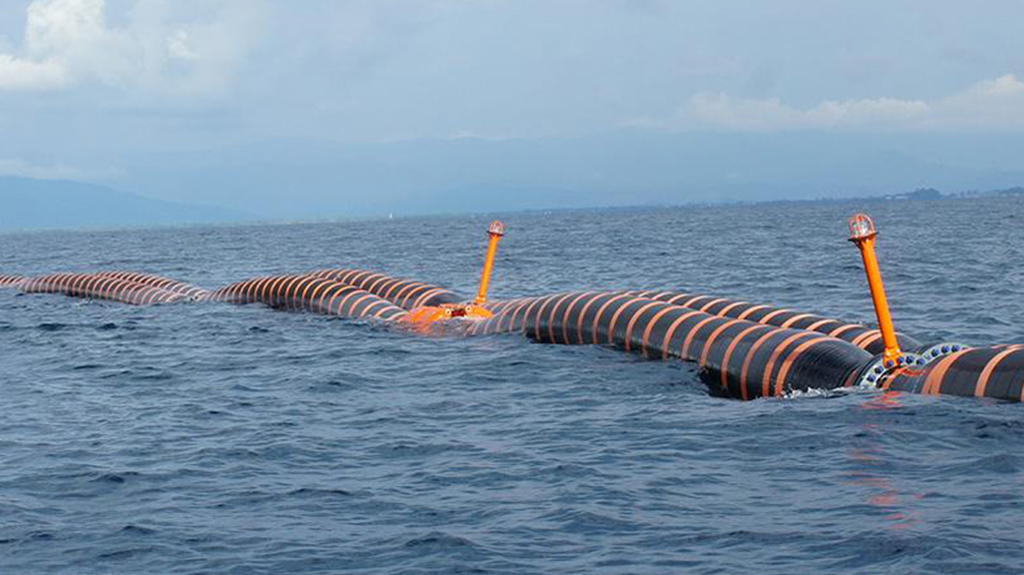
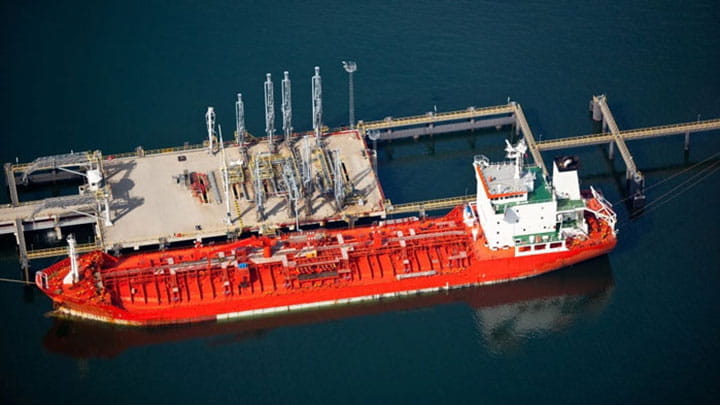
Solutions for transfer of crude oil and liquefied natural gas offshore and in terminals.
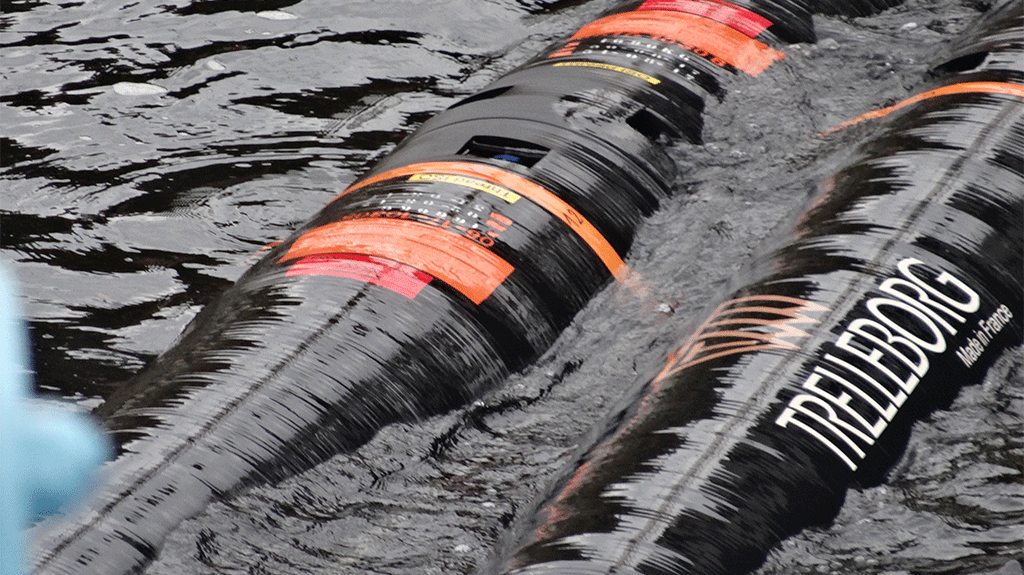
Surface
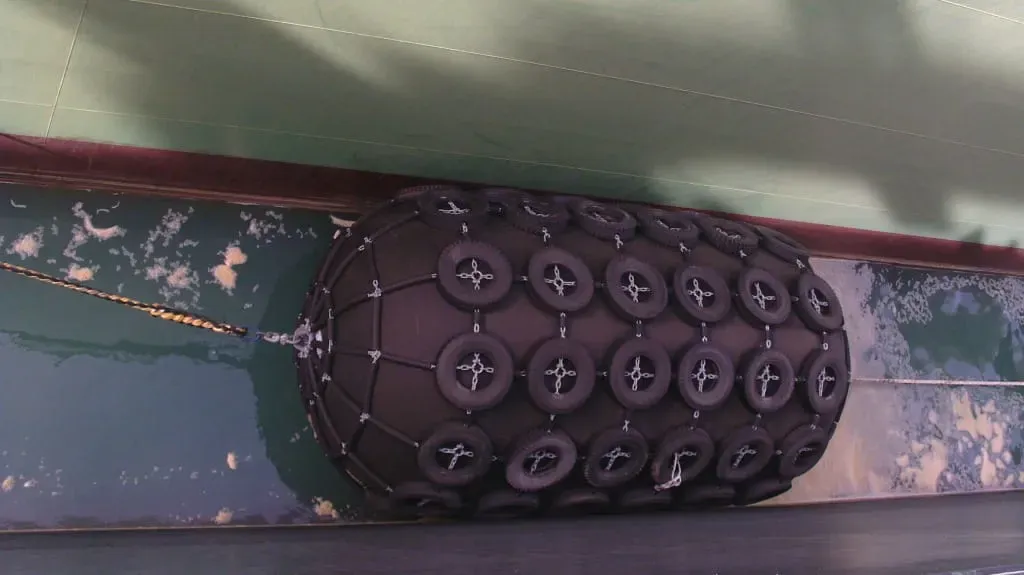
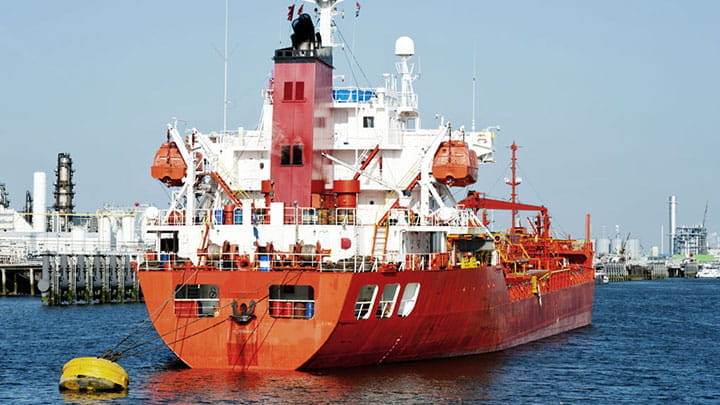
Buoyancy and protection for vessels, port facilities and in open sea.
Subsea
Buoyancy, clamping and protection under water.
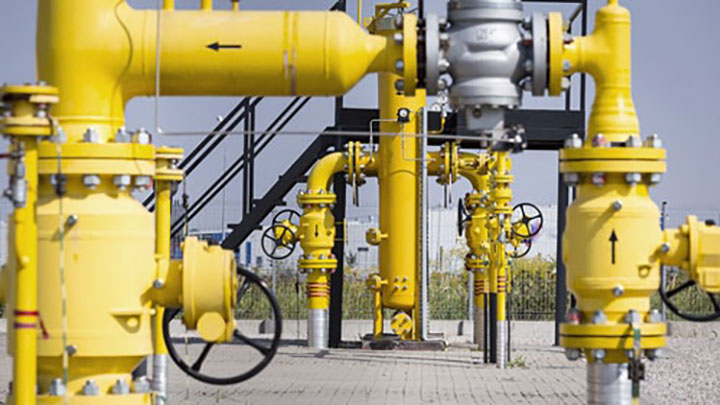
Refining Production
Oil & gas technology in and out of refineries.